The City College Web Design course is typically an introductory program that teaches students the fundamentals of designing and building websites. The course usually covers topics such as:
- HTML and CSS: Core languages for creating and styling web pages
- Responsive Design: Making websites look good on all devices
- Web Design Principles: Layout, colour theory, typography, and user experience (UX)
- Basic JavaScript: Adding interactivity to websites
- Web Development Tools: Using code editors, browser dev tools, and version control (like Git)
The course is ideal for beginners looking to start a career in web design or build their own websites. Some programs may also include projects to help students build a portfolio.

The course emphasises a multidisciplinary approach, encouraging collaboration with students from related fields such as games, photography, animation, and sound design. This mirrors real-world creative industry practices and allows students to explore various cross-disciplinary interests. Students will develop skills in design thinking, coding, and research, preparing them for diverse roles in the digital sector.
Key Features
- Innovative Curriculum: Designed to integrate design, coding, and research skills, enabling students to adapt to evolving digital technologies.
- Collaborative Environment: Opportunities to work alongside peers from various creative disciplines within SoDA.
- Industry-Relevant Tools: Training with current industry tools and technologies to ensure practical readiness.
- Career Preparation: Equips students for roles in user experience design, web development, service design, and project management.

Codecademy offers a comprehensive suite of web design courses suitable for beginners and those looking to enhance their skills. These courses focus on both the technical and aesthetic aspects of web design, providing learners with the tools to create functional and visually appealing websites.
Key Features of Codecademy’s Web Design Courses
- Foundational Skills: Courses cover essential technologies such as HTML, CSS, and JavaScript, enabling learners to build and style web pages effectively.
- Responsive Design: Learn techniques like Flexbox, Grid, and media queries to create websites that adapt seamlessly to various screen sizes.
- Design Principles: Courses delve into colour theory, navigation design, and user experience (UX) principles to enhance the usability and aesthetics of websites.
- Project-Based Learning: Engage in hands-on projects that reinforce learning and allow you to build a portfolio showcasing your skills.
- Interactive Learning Environment: Codecademy’s platform provides an interactive interface with real-time feedback, quizzes, and guided coding exercises to facilitate effective learning.
Whether you’re starting from scratch or looking to refine your existing skills, Codecademy’s web design courses provide a structured and engaging learning path.

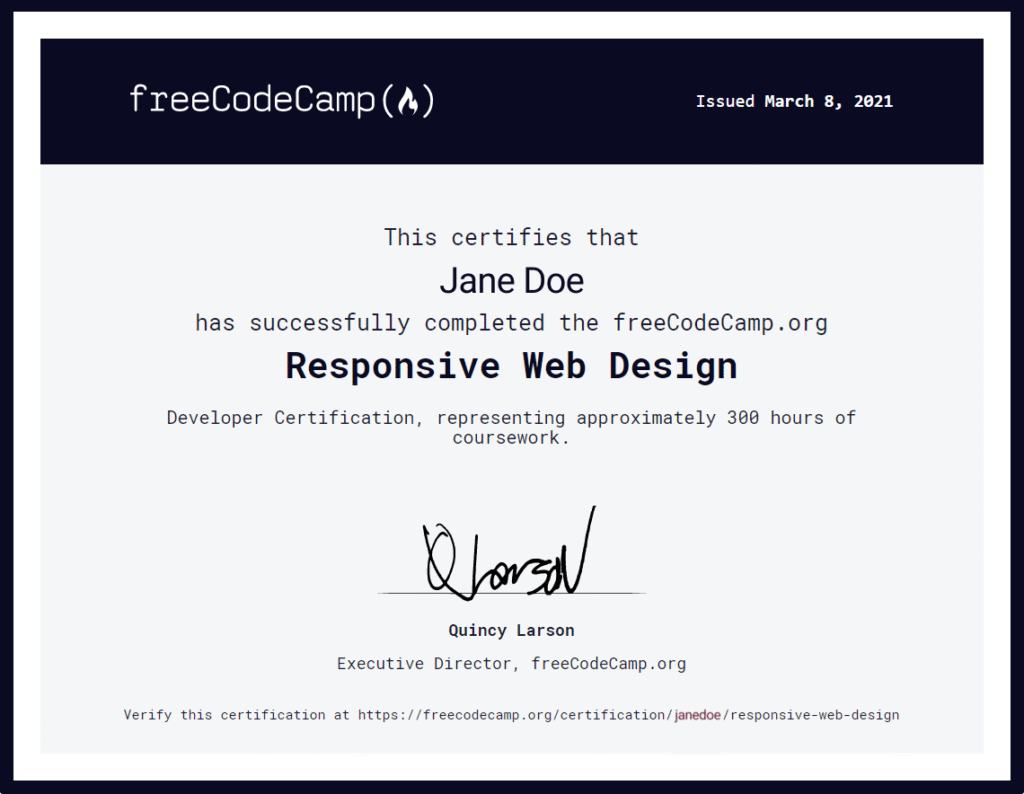
freeCodeCamp’s Responsive Web Design Certification is a comprehensive, free, self-paced course designed to teach beginners how to build visually appealing and functional websites that adapt seamlessly to various screen sizes. The curriculum emphasises hands-on learning through practical projects, making it an excellent starting point for aspiring web developers.
Key Features
- Project-Based Learning: The course emphasises learning by doing, with each module culminating in a project that reinforces the concepts covered.
- Free Certification: Upon completing the course and all projects, learners receive a certificate of completion from freeCodeCamp.
- Community Support: Access to a global community of learners and developers for support and collaboration.Learn K12
- Self-Paced Learning: Study at your own pace, with no deadlines or fees.
Ideal For
This certification is perfect for individuals who:
- Are new to web development and design.
- Want to learn how to create responsive websites.
- Seek a structured, project-based learning path.
- Prefer a free and accessible learning resource.
Udemy offers a diverse range of web design courses catering to various skill levels and learning goals.
Level: Beginner
Key Topics:
- HTML & CSS fundamentals
- Responsive design principles
- Grid systems and layout techniques
- Debugging and styling websites
Project: Build a modern, responsive portfolio website
Ideal For: Beginners aiming to understand web design layout, styling, and debugging